Building a Pocket Rig: A Complete Mobile Music Setup for Under $250
In 2026, musicians no longer need a studio to capture pro-sounding tracks. A pocket rig that fits in a small backpack can deliver studio-grade guitar tones or polished vocal takes anywhere. The secret lies in choosing gear that punches above its price while avoiding subscription traps that quietly double your costs over time.
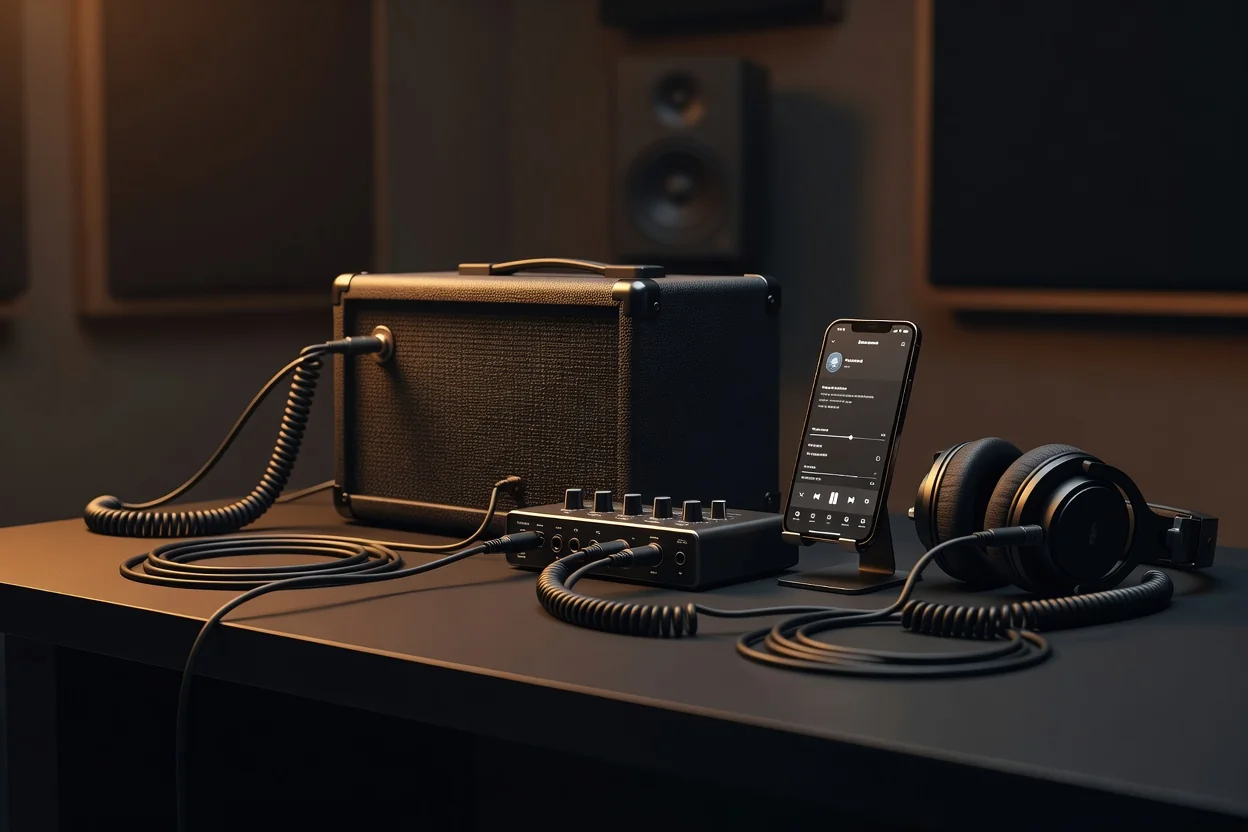
Whether you play acoustic guitar on park benches or record lead vocals between meetings, a complete mobile setup can stay under $250. The key pieces include a compact audio interface, a one-time-purchase DAW or effects app, reliable monitoring, simple cables, a sturdy phone stand, and a power bank that keeps everything running through long outdoor sessions.
Core Components and Typical Price Ranges
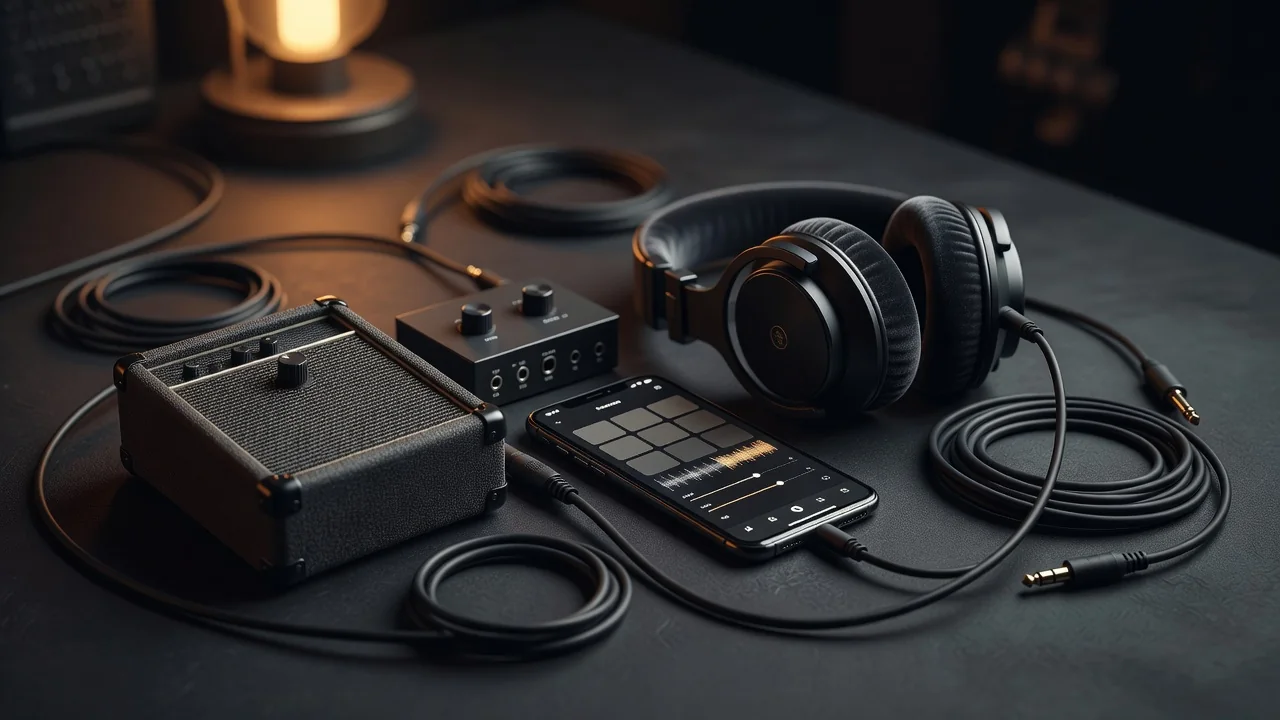
Start with an audio interface small enough to slip into a jeans pocket. Look for USB-C models with decent preamps and 24-bit conversion; expect to spend $60–90. For monitoring, wired in-ear monitors or closed-back headphones in the $35–65 range prevent bleed and give accurate feedback even on noisy streets. A 10,000–20,000 mAh power bank with pass-through charging usually runs $25–40 and can keep your phone and interface alive for six-hour busking days.
Cables and stands seem minor until they fail mid-take. A short, braided USB-C to USB-C cable plus a 3.5 mm extension or TRRS adapter lands between $12–20. A lightweight aluminum phone stand with cold-shoe mount costs $15–25 and keeps your screen visible for lyrics or tuner apps.
Software Choices: One-Time vs Subscription Math
Apps represent the biggest long-term decision. A one-time purchase like a full-featured guitar amp simulator or vocal processor might cost $35–55 upfront. Over two years that equals the same amount. Compare that to popular subscription models at $6–12 per month: after 24 months you’ve spent $144–288 for software that stops working if you cancel. For most mobile musicians the one-time route keeps the entire rig truly under $250 while delivering everything needed for finished tracks.
Popular one-time apps in 2026 offer amp modeling, multi-effects, vocal tuning, reverb, and even simple multitrack recording. Many now include cloud backups and MIDI control, removing the need for extra hardware.
Two Sample Budgets
- Guitar Rig ($218 average)
Audio interface $75
One-time amp/effects app $45
Wired in-ear monitors $50
Short cables and adapters $18
Phone stand $20
Power bank $30
Remaining buffer $0 for accessories - Vocal Rig ($229 average)
Audio interface with XLR input $85
One-time vocal processor/tuner app $40
Closed-back headphones $55
Cables and pop-filter adapter $22
Adjustable phone stand $17
Power bank $35
Remaining buffer $5 for windscreen
| Category | Spend Here | Save Here |
|---|---|---|
| Audio Interface | Preamp quality and low latency | Extra inputs or DSP chips |
| Monitoring | Accurate frequency response | Wireless features or branding |
| Software | One-time purchase license | Monthly subscription plans |
| Power | Capacity and pass-through charging | Built-in cables or flashy design |
| Accessories | Durability of cables and stand | Premium materials or extra mounts |
Building your pocket rig forces smart compromises that actually improve workflow. You learn to work fast, listen critically, and rely on musicianship rather than endless plugin options. Many artists report writing and recording better material once limited to just a few high-quality tools that fit in one hand.
Start simple: pick either the guitar or vocal sample budget above, order the pieces in one evening, and test everything in your living room before taking it outside. Within a weekend you’ll have a rig that travels lighter than a paperback book yet captures releases-ready sound. The freedom of creating anywhere often becomes addictive enough that the $250 investment pays for itself in inspiration alone.