Battery Math for Mobile Rigs: Power Banks, Drain and Long Sessions
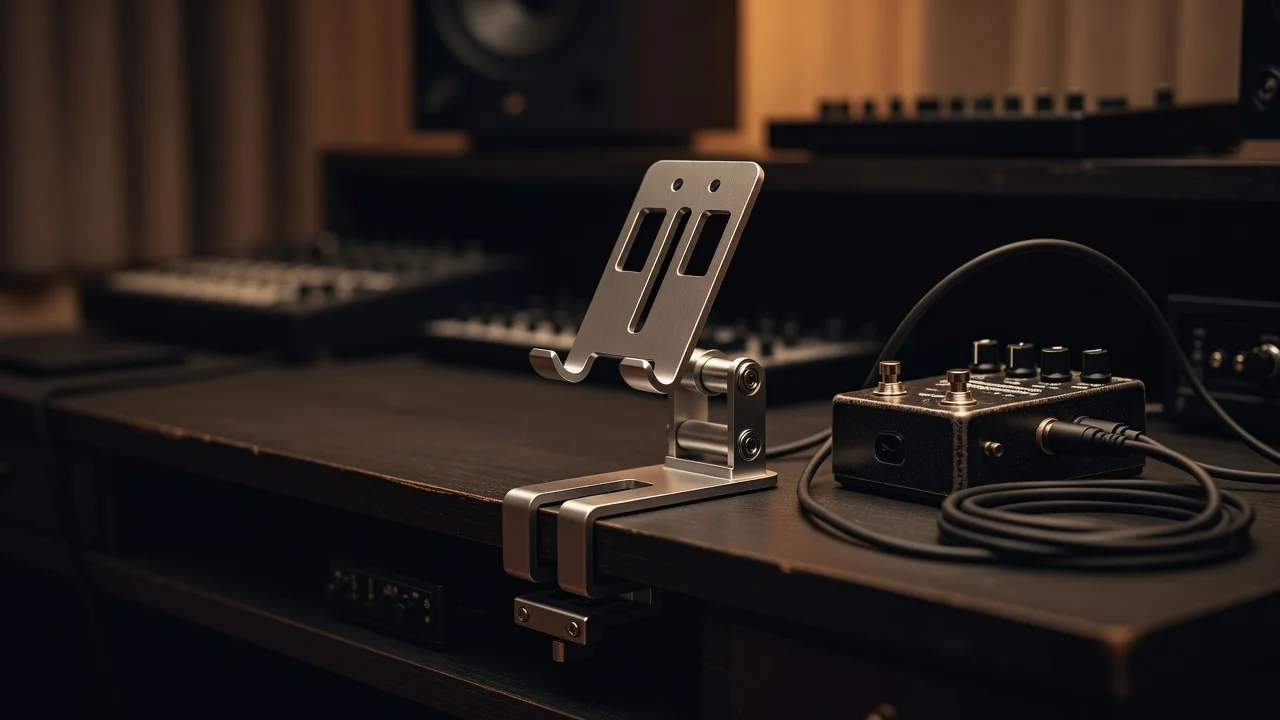
In 2026, mobile music rigs have become the default for busking, park rehearsals, and impromptu live streams. Yet nothing kills the vibe faster than a dead phone mid-set. Understanding the real math behind battery drain turns guesswork into predictable runtime, letting you play longer without panic.
Most bus-powered audio interfaces pull between 150-350 mA from the host phone or tablet while passing audio at 24-bit/48 kHz. That might sound modest until you add screen brightness at 70 % (another 400-700 mA) and background sync apps quietly sipping 50-150 mA each. Suddenly your sleek flagship phone empties in under two hours.
Power Bank Reality: Rated vs Usable Capacity
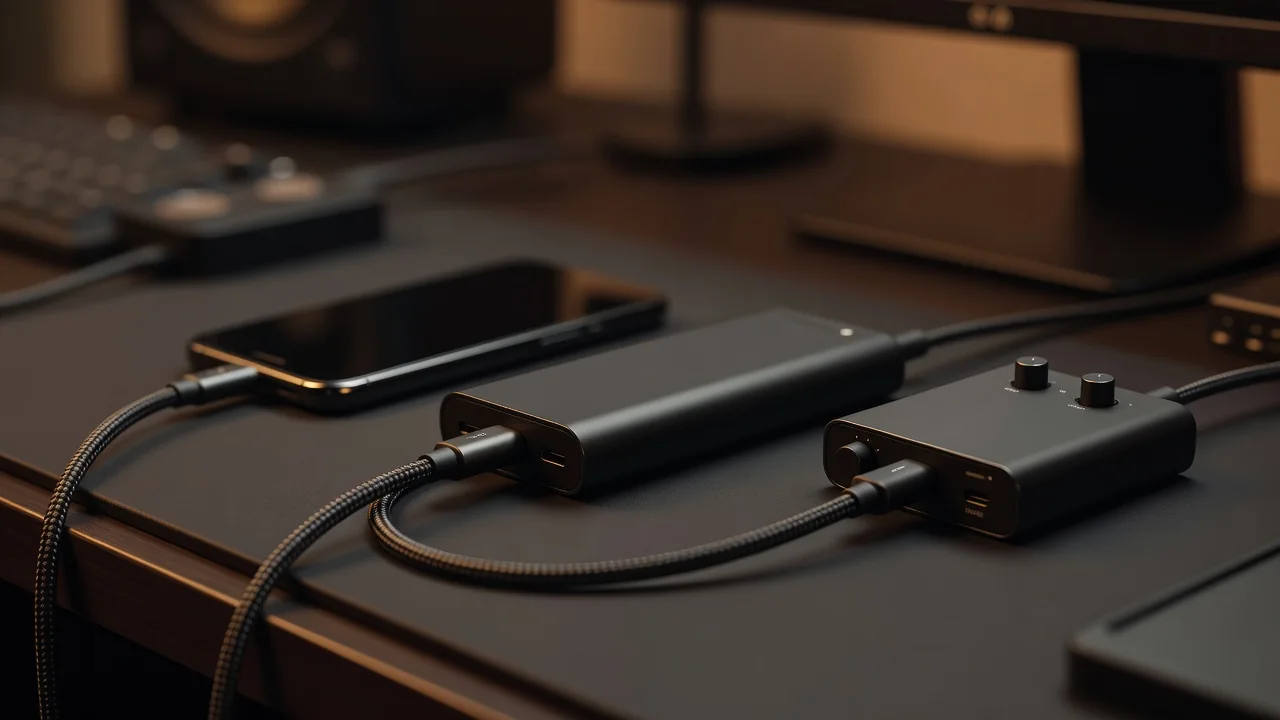
Manufacturers label power banks by their internal cell capacity, usually 10 000 mAh or 20 000 mAh. In practice you lose roughly one third to voltage conversion, heat, and circuit overhead. A “20 000 mAh” bank typically delivers only 13 000–14 500 mAh at 5 V to your device. Factor that in or you’ll be caught short during a three-hour rehearsal.
Pass-Through Charging and Cable Quality
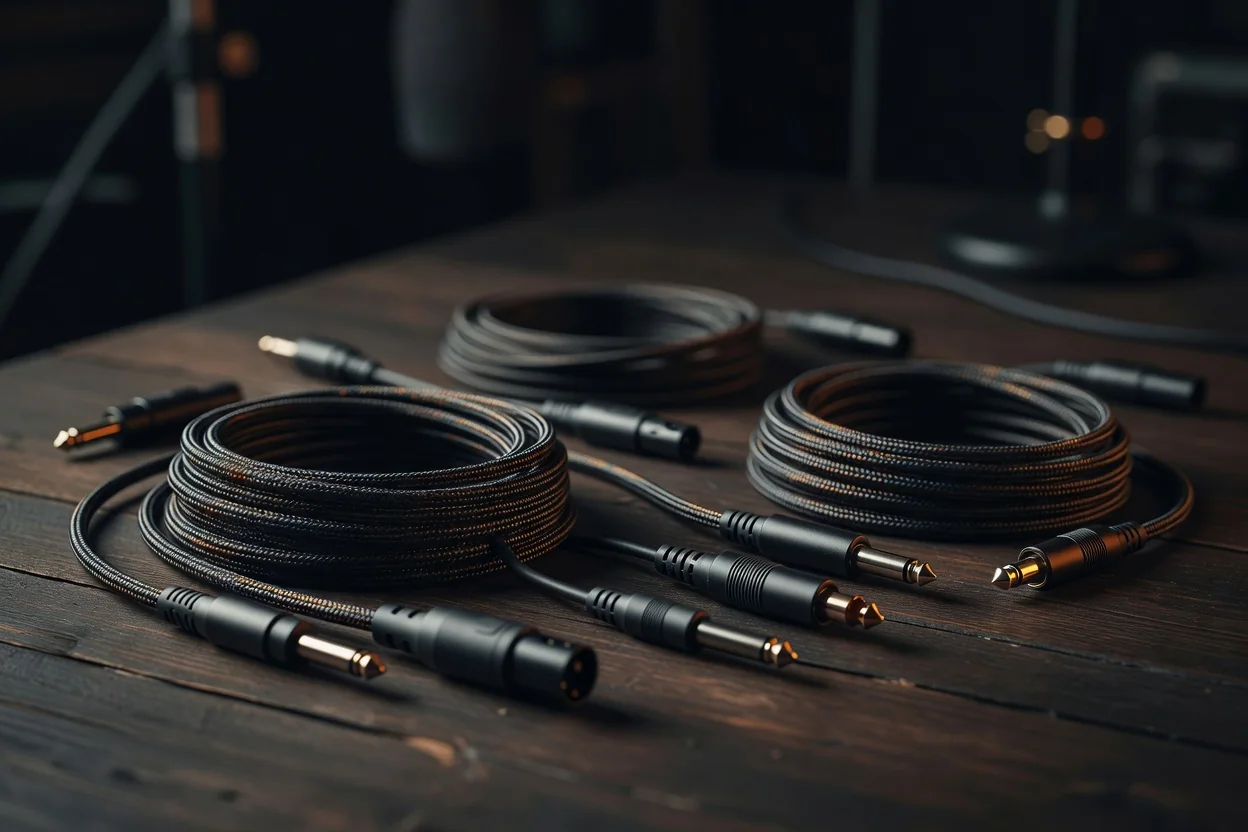
Modern power banks with pass-through charging let you recharge your phone while simultaneously powering the audio interface from the same bank. This setup is essential for busking. However, cheap cables introduce voltage drop; a thin 28-gauge USB-C cable can lose 0.4–0.7 V over two metres, forcing the phone to draw higher current and generating extra heat. Stick to 20-gauge or thicker cables marked for 3 A or PD 20 W delivery to keep losses under 5 %.
Screen brightness remains the single largest controllable drain. Dropping from 80 % to 30 % brightness often saves 250–450 mA. Closing background apps and disabling location services trims another 80–200 mA. These small habits add up to nearly an hour of extra playtime.
A Simple Runtime Formula
Use this practical estimate: Runtime (hours) = (Power bank usable mAh × 0.85) ÷ (Average total system draw in mA). The 0.85 accounts for final 15 % safety buffer before devices start throttling.
Worked example: 20 000 mAh bank (13 500 mAh usable) powering a phone drawing 850 mA total (interface 250 mA + screen 450 mA + background 150 mA). Runtime = (13 500 × 0.85) ÷ 850 ≈ 13.5 hours. Subtract the safety buffer and you can confidently plan a 10–11 hour outdoor festival set with margin for cloudy days or higher volume.
Key points
- Assume roughly two thirds of the rated capacity is usable.
- Choose pass-through charging for all-day sessions.
- Dim the screen and kill background apps before recording.
| Drain Source | Typical Range (mA) | Quick Fix |
|---|---|---|
| Bus-powered interface | 150–350 | Use lowest sample rate possible |
| Screen at 70 % | 400–700 | Drop to 25–35 % outdoors |
| Background apps & sync | 50–200 | Airplane mode + app kill |
| Voltage drop on long cable | 80–250 extra | Thicker 20-gauge cable |
| Phone CPU spikes | 100–400 | Lock to 60 Hz refresh |
Armed with these numbers, a single 20 000 mAh power bank and disciplined habits can keep a mobile rig alive from soundcheck through encore. Measure your own rig once with a USB tester, plug the real figures into the formula, and you’ll never again guess whether the next song will be your last.